Ruralidays is driving a sustainability-focused initiative in Andalusia, bringing the Ruralidays Forest to life in collaboration with Folia Project. Going beyond carbon offsetting, this project contributes to the restoration of degraded land, helping to combat desertification while creating a positive environmental impact.
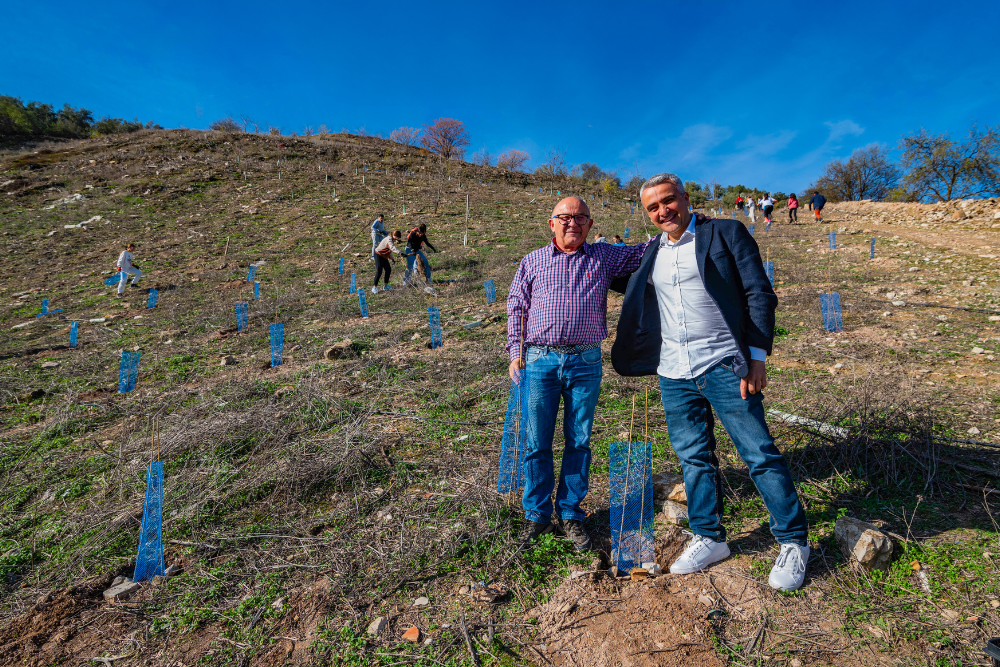
On 11 December 2023, Ruralidays launched the first phase in Villanueva de Tapia (Málaga), starting with an initial planting day that saw 240 trees planted. This marked the start of a forest that now has 800 trees and continues to grow through new planting initiatives across the province. All are officially registered as CO₂ absorption projects in the Carbon Footprint and Offset Registry of Spain’s Ministry for Ecological Transition and Demographic Challenge (MITECO).
Environmental Goals and Benefits: Beyond Carbon Offset
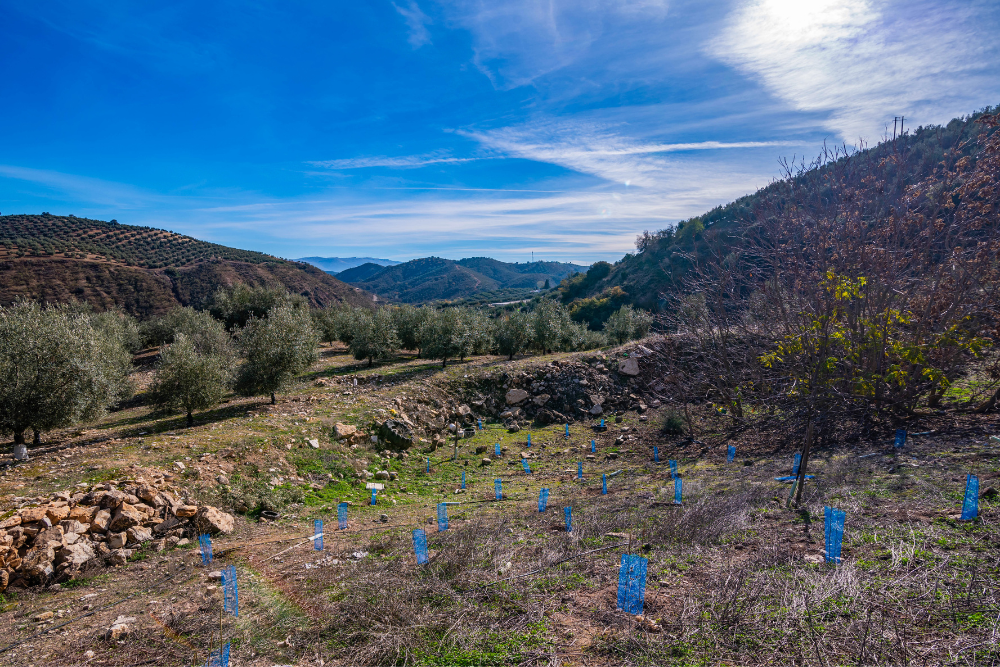
The Villanueva de Tapia plantation, with its 800 trees, will absorb an estimated 627 tonnes of CO₂ over its first 50 years. This is complemented by additional plantations, such as Teba, where 600 native Mediterranean species, including carob trees, wild olive trees (locally known as acebuches ), and pines have been planted, and Antequera, which also features 600 trees expected to absorb around 1,000 tonnes of CO₂ over the same period. In Antequera, species such as Atlas cedars, hackberry trees (known locally as almeces ), almond trees, ash trees, and Aleppo pines have been introduced, well adapted to the Mediterranean climate and essential for boosting biodiversity.
“The forest will absorb 627 tCO2 over its first 50 years of growth, but it is not the only environmental benefit it will provide,”
Luis Cardalliaguet, technical director of Folia Project.
Taken together, these plantations will help to moderate extreme temperatures, prevent soil erosion, and improve soil quality. They also support the recovery of natural habitats, offering shelter and food for local wildlife in a region increasingly affected by drought and advancing desertification.
“We have always believed in the importance of caring for our environment and promoting sustainable practices. Our collaboration with Folia Project is a tangible reflection of this commitment,” says Félix Zea, CEO and co-founder of Ruralidays.
A Process That Grows Gradually
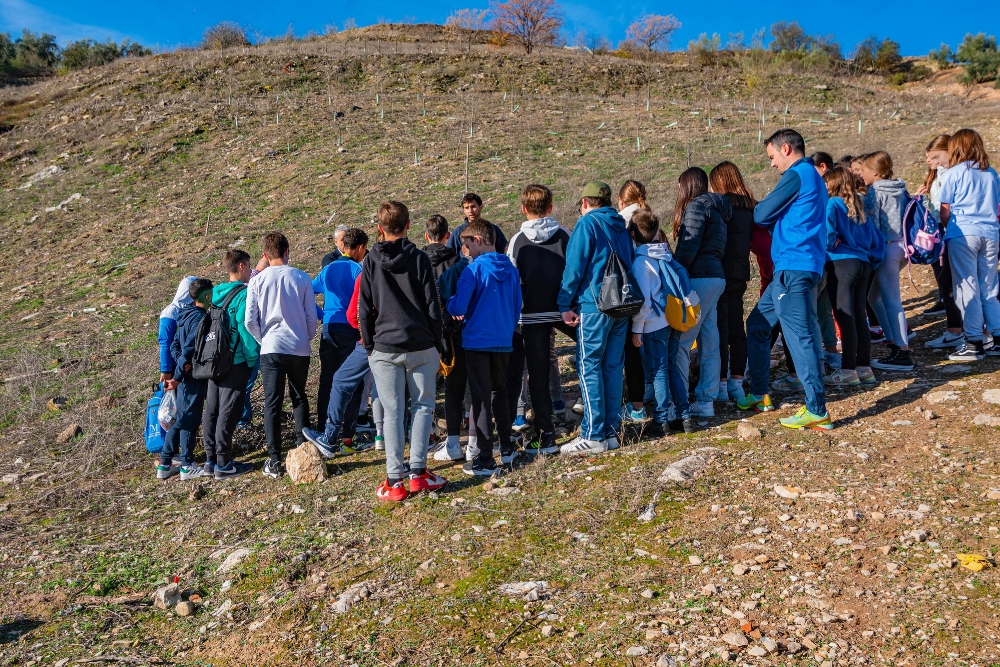
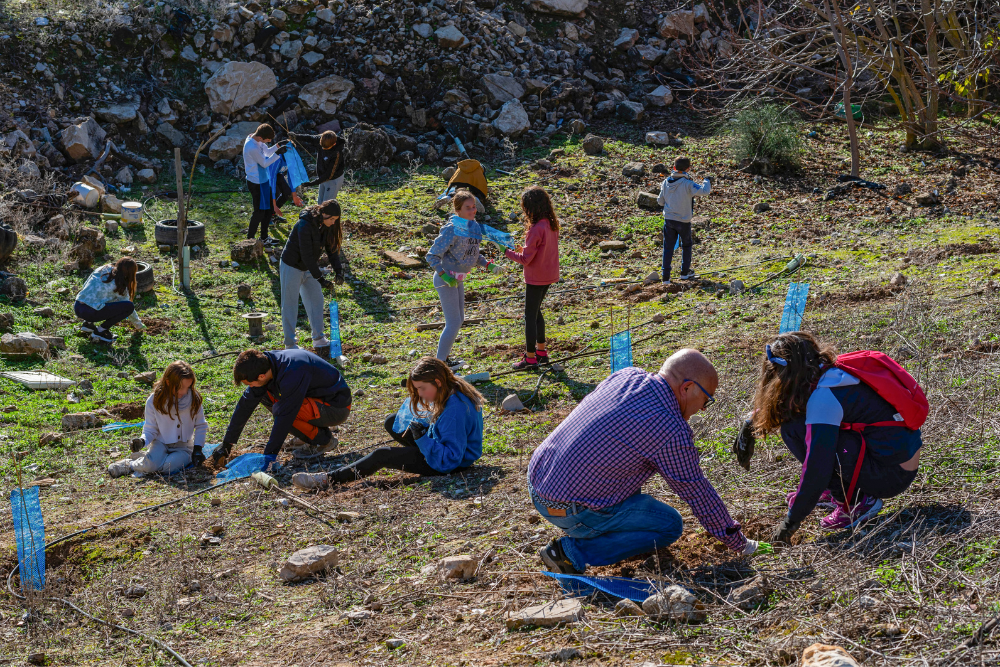
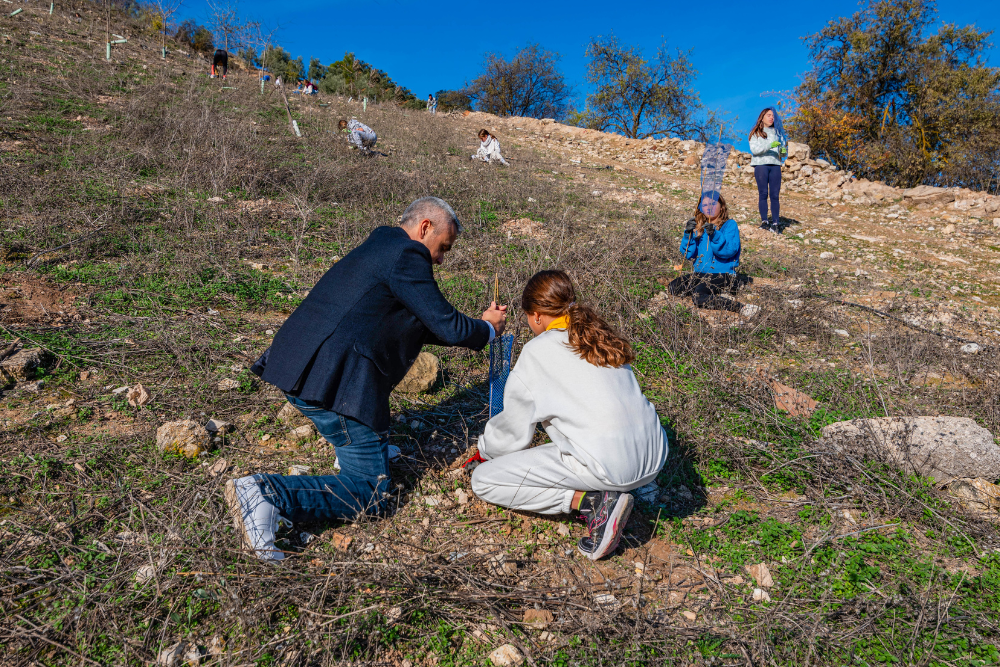
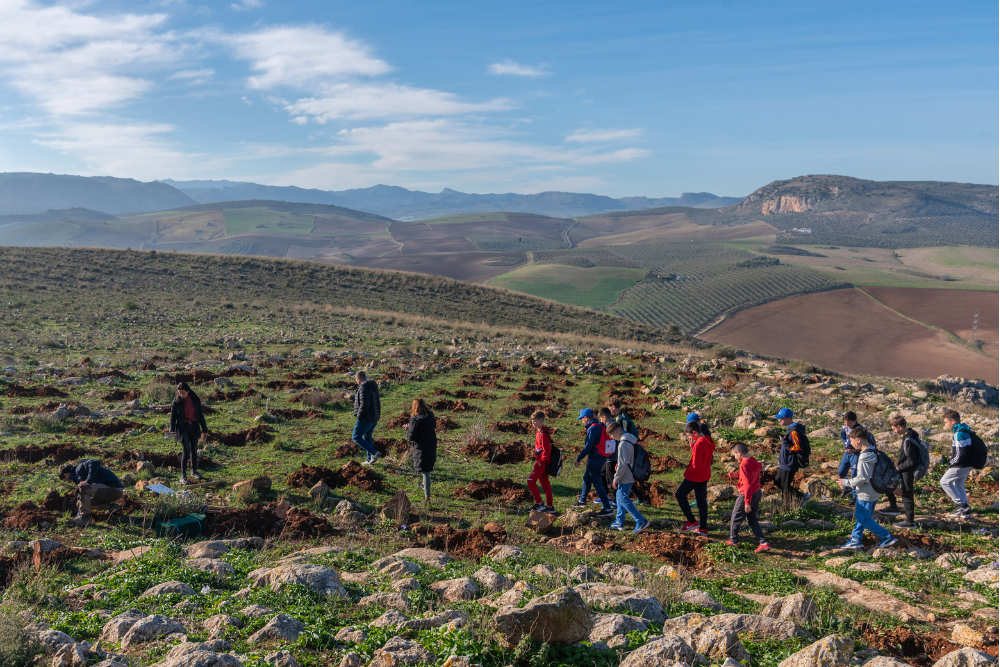
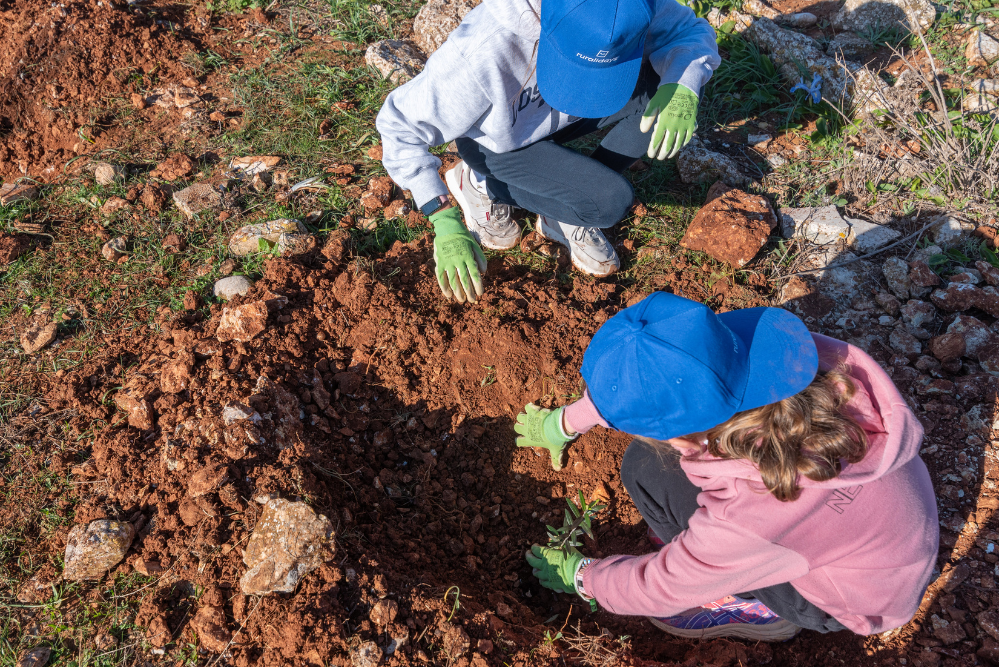
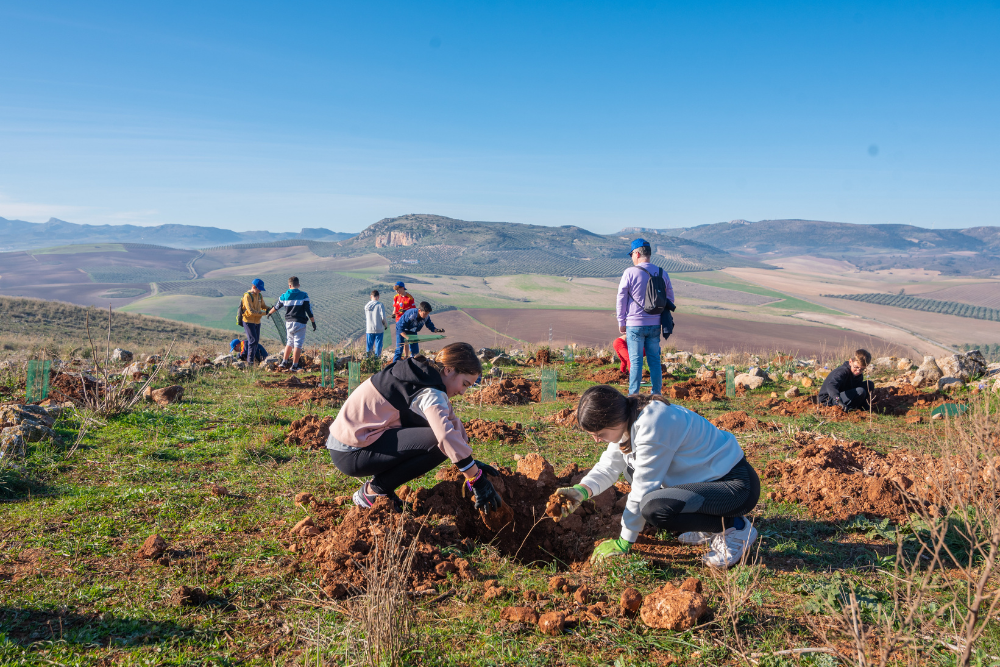
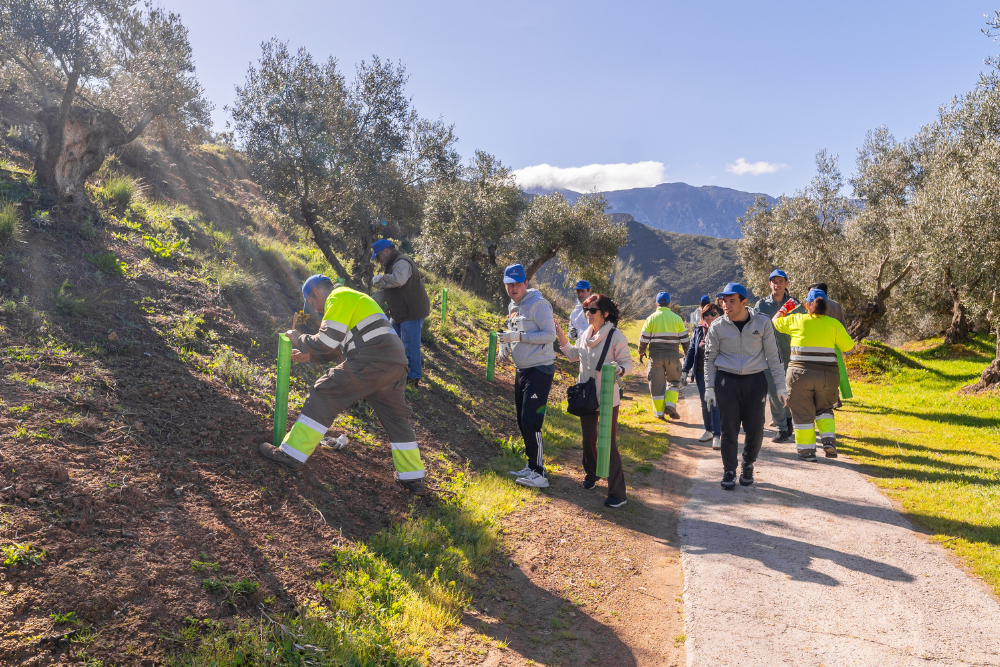
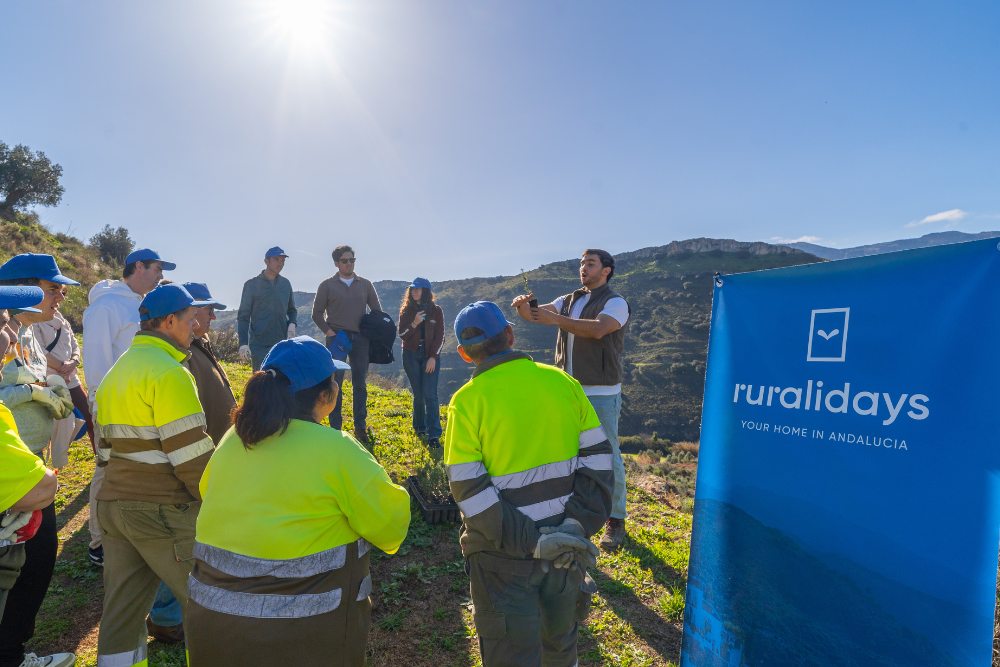
Since its inception, the Ruralidays Forest has been a shared experience. During the planting day in Villanueva de Tapia, 40 pupils from Rafael Alberti School in the village took part, helping to plant the first trees while learning about the importance of protecting the environment.
This educational aspect continued in Teba, where students from Itaba Secondary School also joined the planting efforts, further strengthening environmental awareness.
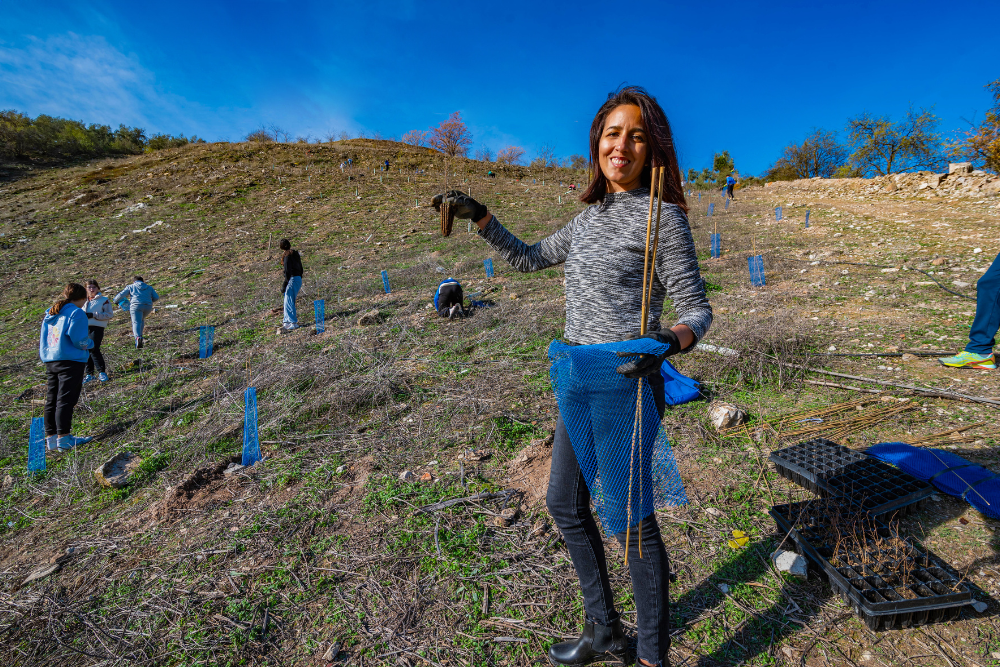
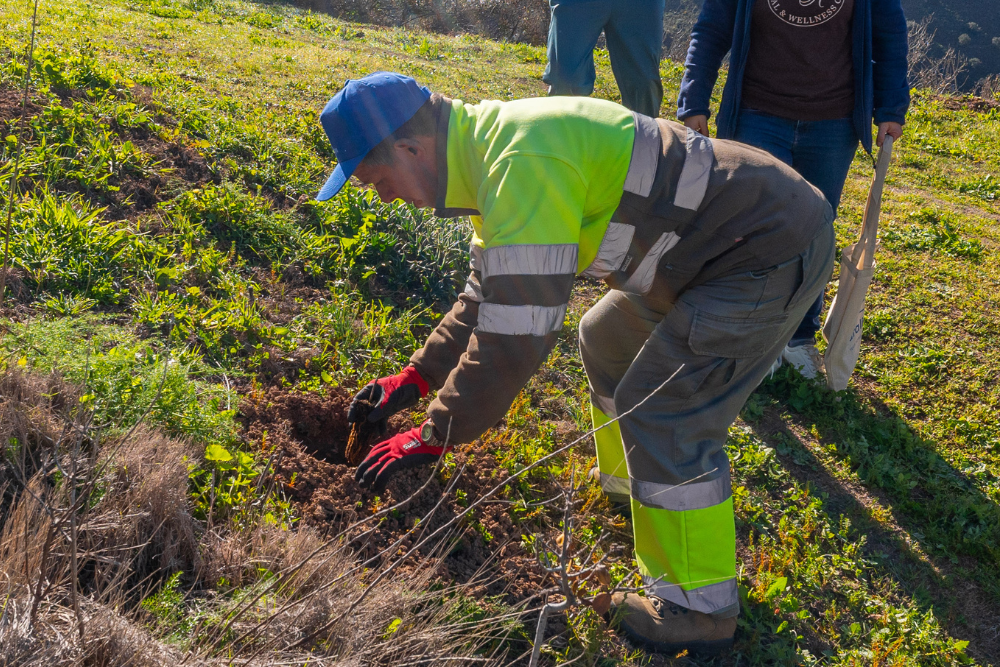
In addition, members of the Ruralidays team have taken part in every planting event, reflecting the value of collective involvement. “This reforestation shows how we can create a positive impact through a simple gesture, combined with collaboration between the public sector, private companies, and the local community”, explains Gabriela, Marketing Manager at Ruralidays. “At the end of the day, we are all united by the same cause: caring for our land so we can continue to enjoy it in all its splendour,” adds Isabel, the company’s photographer.
In Antequera, the project marked a further step forward with the participation of volunteers from ADIPA, turning the planting day into a truly shared and enriching experience for everyone involved.
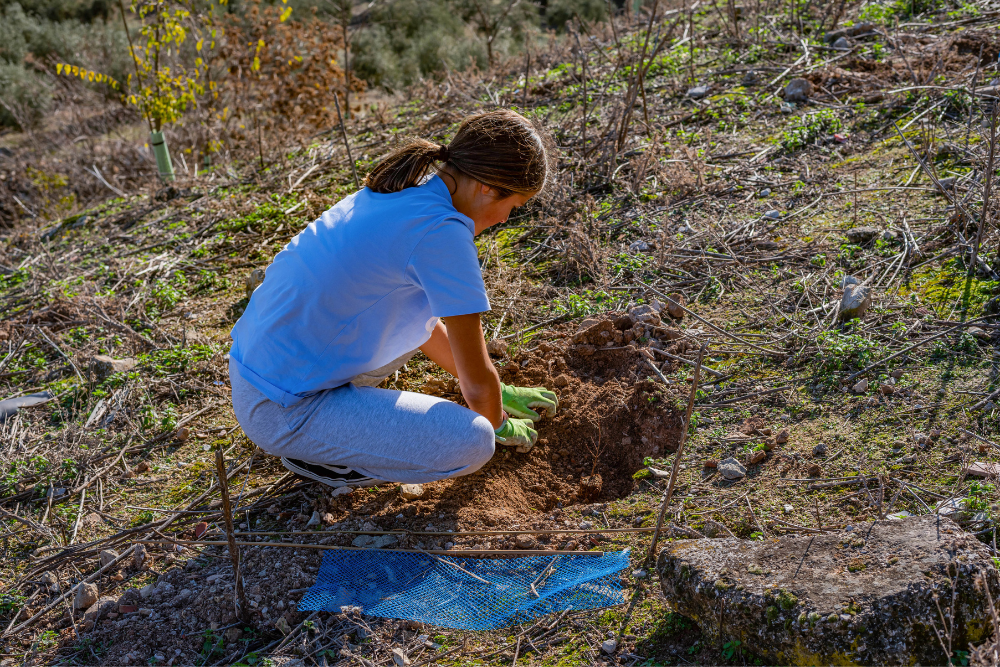
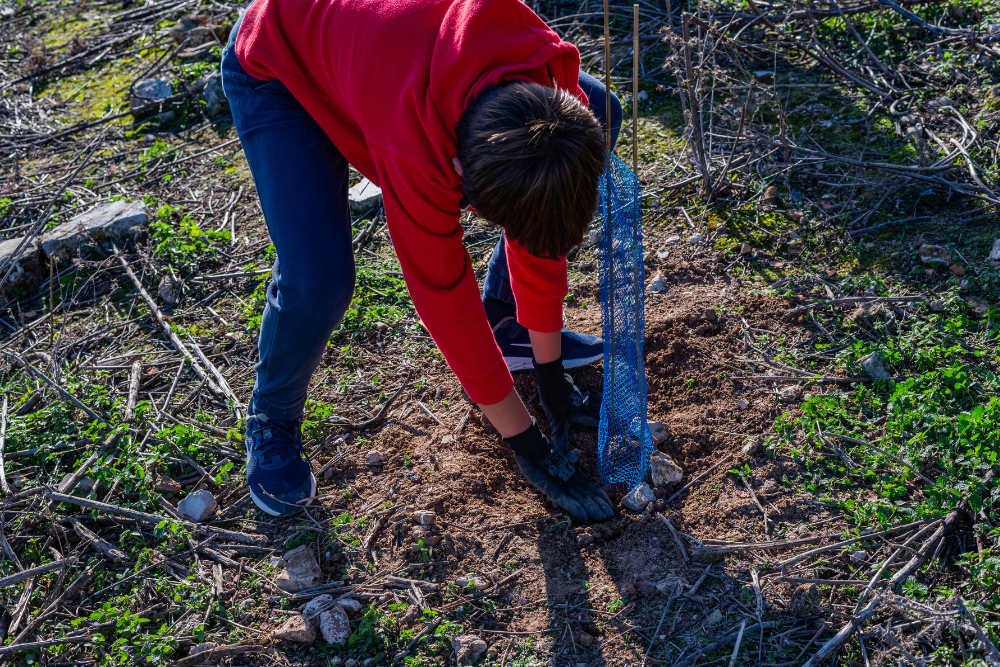
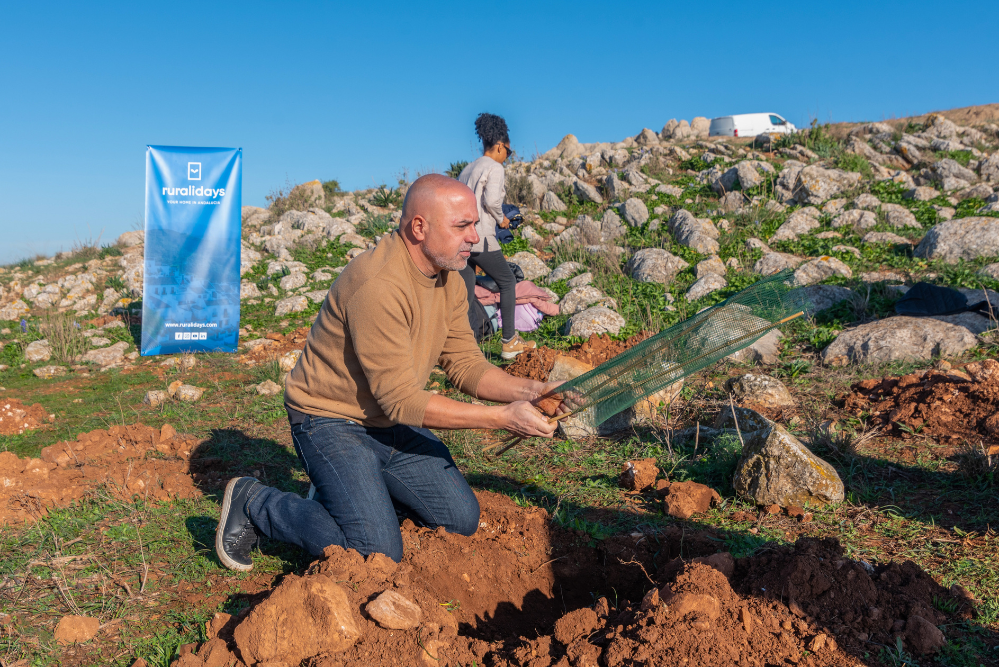
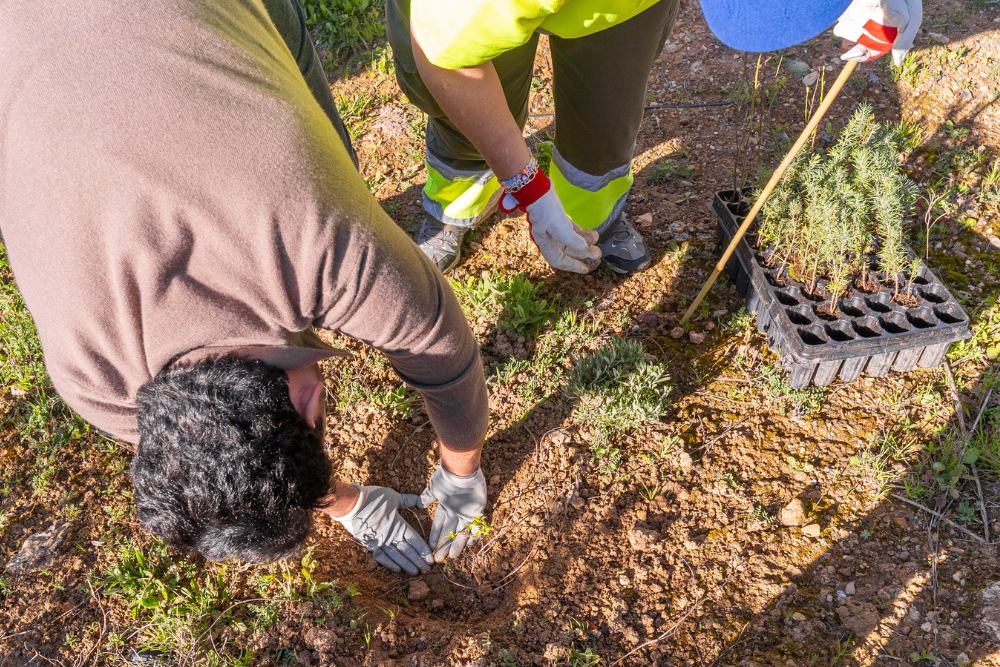
Folia Project supports the project at every stage , ensuring that each tree has the right conditions to thrive. Protective mesh and bamboo supports are used to prevent damage from herbivores, while drip irrigation systems are installed to support growth during the crucial early years.
A Sustainable Future with Ruralidays
The Ruralidays Forest forms part of the company’s sustainability efforts and reflects a genuine commitment to the environment. Through these ongoing planting efforts, the project continues to grow with the aim of reducing the carbon footprint and enhancing the local ecosystem.
“Our project with Folia Project is just the beginning of many sustainable actions we plan to implement in the coming years,” says Félix. “We believe that tourism is part of the problem, but it must also be part of the solution to the climate crisis we are currently facing.”
The Project at a Glance
- Total number of trees: 2,000
- Locations: Villanueva de Tapia, Teba, and Antequera
- Estimated CO₂ absorption: over 1,700 tonnes in the first 50 years
- Species: hackberry trees (almeces), ash trees, stone pines (Pinus pinea), carob trees, wild olive trees, Atlas cedars, almond trees, and Aleppo pines
- Planting method: saplings grown in forestry trays.

 Loading...